

South Carolina celebrated a major milestone this week as the South Carolina Law Enforcement Division released its “Crime in South Carolina 2024” annual report, revealing an 8.4% drop in violent crime — the state’s lowest rate since 1995.
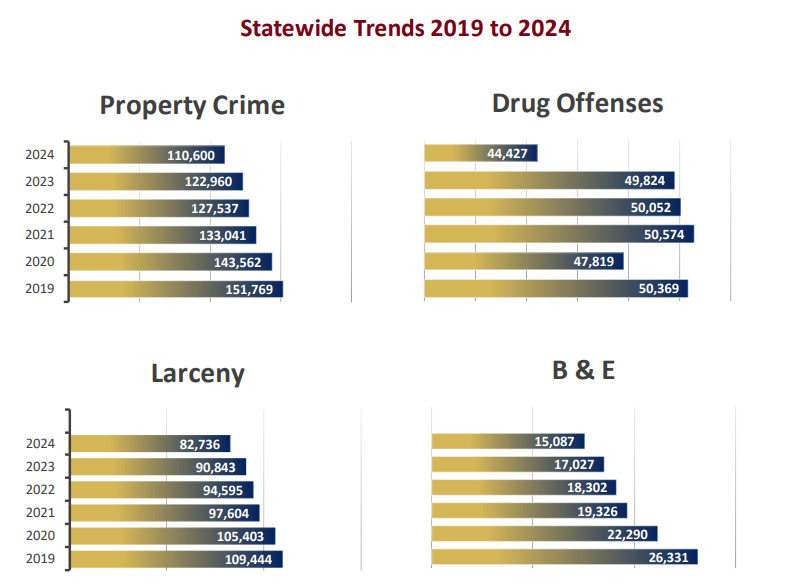
However, a closer look shows a far more complicated picture. While overall crime is falling, serious gaps in data reporting, a surge in juvenile gun violence, and methodological issues raise questions about how accurately the report reflects daily reality — especially in fast-growing regions like York and Lancaster counties.
A Major Victory: Violent Crime Drops Across South Carolina
The report, drawn from the state’s incident-based reporting system, highlights real and meaningful progress:
-
Violent crime rate: Down 8.4%, reaching its lowest point in 30 years.
-
Murders: Down 15.8%, with the lowest statewide total since 2018.
-
Aggravated assaults: Down 8.4%, continuing a two-year trend.
-
Robberies and sexual batteries: Both now at 30-year lows.
-
Officer safety: Assaults on law enforcement fell 1.4%, and no officers were killed in the line of duty.
These reductions mirror nationwide trends, with the FBI reporting similar declines.
However, Key Red Flags Suggest the Full Picture Is More Complex
Despite the progress, SLED acknowledges significant weaknesses that could distort the report’s optimistic narrative.
1. Incomplete Crime Data Across the State
Only 87% of law enforcement agencies submitted a full year of crime data — meaning 37 agencies, many in rural or high-crime areas, reported only partial information or none at all.
These gaps can understate statewide totals by 5–15%, particularly for under-reported crimes such as:
-
Sexual assaults
-
Domestic violence
-
Juvenile offenses
For the rapidly growing 5th Congressional District, inconsistent reporting may obscure rising suburban crime associated with population expansion.
2. Juvenile Gun Violence Is Reaching Crisis Levels
Key findings include:
-
41% of violent offenders were under 25.
-
67% of all weapons violations involved firearms.
-
1,600 juveniles were charged with gun crimes.
-
57 juveniles were charged with murder.
Even more concerning: less than 50% of fingerprint data for juveniles is being submitted properly, leaving thousands of cases untracked and incomplete.
Without accurate juvenile records, schools, courts, and social services cannot intervene early — worsening long-term public safety risks.
3. Localized Spikes Undercut the Statewide Decline
While statewide numbers dropped, several counties saw increases:
-
Lee County: Violent crime up 12.5% — highest in the state.
-
Sumter County: Violent crime up 9.2%.
-
Motor vehicle theft and arson: Both rose slightly statewide.
These county-level increases suggest the statewide decline masks significant local vulnerabilities.
4. Methodology Changes May Overstate Progress
SLED openly explains that crime-counting rules changed in recent years.
Most notably:
-
A 2020 policy shift reduced burglary counts by counting one break-in per incident rather than per structure.
-
Data edits and exclusions are still allowed after agency submission.
-
Figures reflect only incidents reported before a May 2025 cutoff.
These choices don’t invalidate the progress — but they do make year-to-year comparisons less precise.
What This Means for South Carolina Residents
The 2024 report shows legitimate progress in reducing violent crime, but the gaps cannot be ignored:
-
Youth gun violence is rising despite overall crime declines.
-
Rural counties lack the resources to report crime consistently.
-
Growing regions such as York County may be undercounting emerging threats.
As a state, we need to make improvements in reporting compliance, as well as investing significantly more into juvenile justice reforms, mental health care, and early-intervention programs.
Looking Ahead
SLED’s latest report is an important step toward understanding public safety in South Carolina. But the state cannot rely solely on declining national trends. With incomplete data and rising youth involvement in violent crime, policymakers face a crucial question:
Are we celebrating progress too soon — and overlooking the communities still at risk?
As lawmakers prepare to review juvenile justice proposals in early 2026, this report should spark urgent conversations rather than premature victory laps. Residents deserve a full picture of crime in their communities, not just the encouraging headlines.